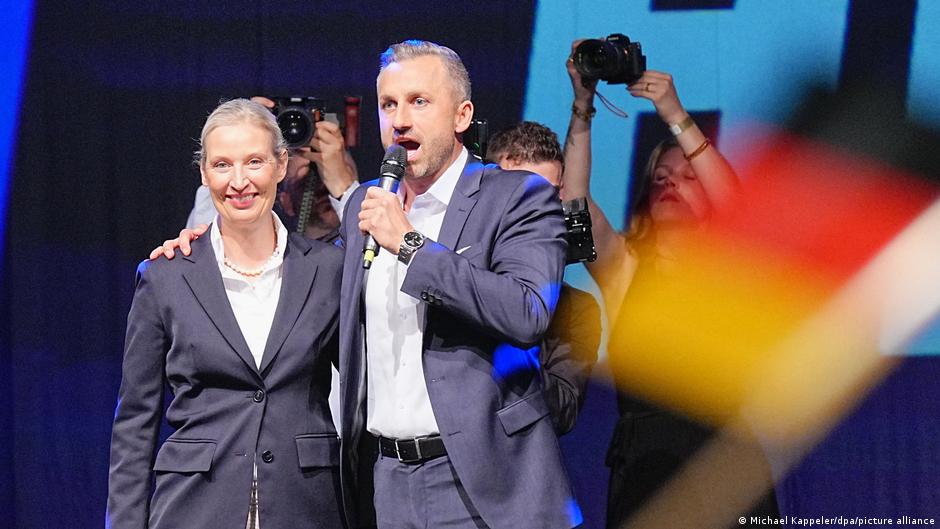
Preliminary results from the state elections in Saxony Anhalt indicate a significant shift in the region’s political landscape, with the far right Alternative for Germany emerging as the strongest party. While the AfD secured a historic win, they fell short of an absolute majority, leaving the path toward forming a stable government murky at best. Lead candidate Ulrich Siegmund claimed the result represents a clear mandate to govern, yet he admitted that potential coalition partners are currently non existent. If negotiations stall completely, Siegmund suggested that new elections could be an option, hoping for an even larger share of the vote next time.
The victory resonated far beyond German borders, drawing immediate attention from high profile international figures. Tech mogul Elon Musk took to his social media platform X to congratulate the party with a brief well done in German. The exchange highlighted an increasingly cozy relationship between the AfD and allies in Washington, particularly since Donald Trump’s return to the White House. Siegmund responded warmly to Musk, suggesting that strong cooperation with such figures would make Germany an attractive destination for investment once again.
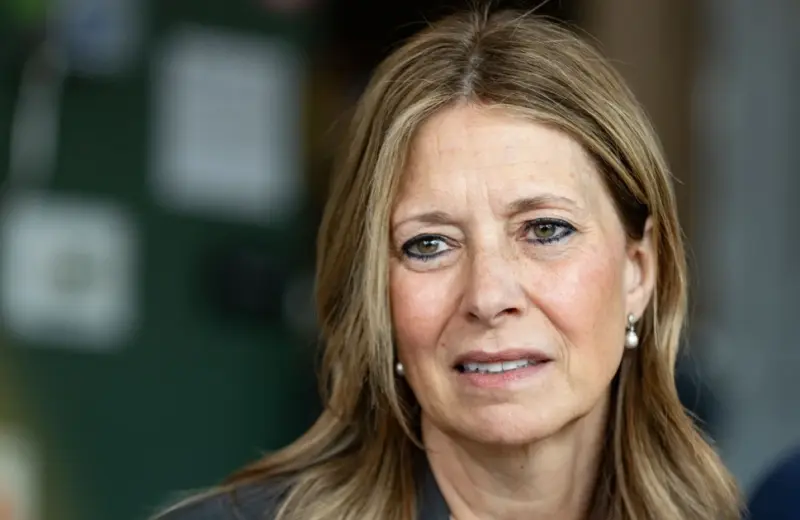
Adding another layer of complexity is the rise of Sahra Wagenknecht’s populist BSW alliance, which narrowly crossed the five percent threshold to enter parliament. Wagenknecht described the outcome as a political reset and expressed satisfaction with her party’s performance despite their small number of seats. Positioning herself as economically left wing but culturally conservative, she has called for a reversal of energy policies and an end to sanctions against Russia. While she has explicitly ruled out joining a formal coalition with the AfD, she argued that continuing to shut them out entirely is an affront to voters and may effectively give her own party the balance of power.
This electoral outcome puts immense pressure on Germany’s long standing political firewall, the agreement among mainstream parties to refuse any cooperation with far right extremists. Currently, only a grand alliance of all remaining parties could theoretically keep the AfD out of power, but internal contradictions make this unlikely. For instance, the center right CDU refuses to work with both the AfD and The Left Party, creating a mathematical deadlock. As current Premier Sven Schulze remains in office in a caretaker capacity, observers are watching closely to see if these traditional barriers will finally collapse under the weight of shifting voter sentiment across eastern Germany.