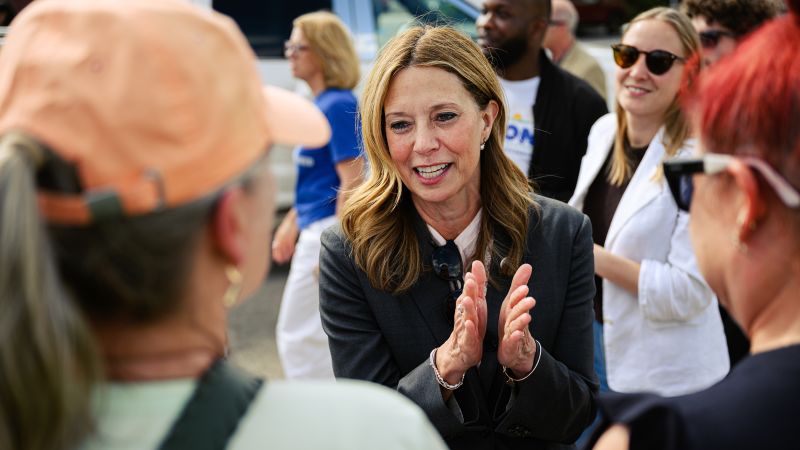

The Democratic Party is entering a volatile new season after a summer that saw a surge of success for its most progressive wing. Across the country, fed-up liberal voters have abandoned traditional moderate candidates in favor of hard-charging progressives, signaling a shift in the base that is now creating significant friction within the party’s hierarchy. This momentum has empowered ultra-progressive House members and newcomers to demand that party leader Hakeem Jeffries better reflect the mood of these energized voters, whom they argue the current leadership has failed to understand.
Tensions reached a boiling point recently following Jeffries’ public disavowal of the Medicare for All bill, a cornerstone piece of legislation for the left. Representative Pramila Jayapal expressed surprise at the move, noting that she has had direct conversations with Jeffries regarding the bill’s importance. Beyond healthcare, progressives are frustrated by the elevation of pro-Israel Democrats to key foreign policy roles and allegations that leadership worked to undermine progressive challengers in Michigan and California. For figures like Dr. Adam Hamawy, a prospective winner in New Jersey, these actions suggest that the Democratic establishment is out of touch with a public dissatisfied with both the administration and current party leadership.
As potential gains loom for next year, this ideological rift poses a strategic dilemma for Jeffries. While centrists appreciate his efforts to distance the party from far-left agendas to win GOP-leaning districts, an insurgent wave of democratic socialists is threatening to withhold support if their demands aren’t met. Some incoming members are not just eyeing legislative changes but are discussing challenges to committee leadership and the possibility of instituting term limits for key roles. Usamah Andrabi of Justice Democrats warned that defeating decades-long incumbents should serve as a wake-up call that the political ground is shifting beneath the establishment.
The conflict extends into how the caucus intends to govern itself once in power. Internal debates have erupted over proposed rules that would allow leadership to punish members who deviate from the party line on procedural votes. During a recent closed door meeting, Progressive Caucus Chair Greg Casar pushed back against such measures, arguing for the right to dissent, while moderates like Representative Debbie Wasserman Schultz insisted on unity on the House floor. These clashes suggest that regardless of whether Democrats flip the chamber, whoever leads them will face an exhausting balancing act between an emboldened left wing demanding systemic change and a centrist bloc unwilling to be pushed too far toward socialist policies.