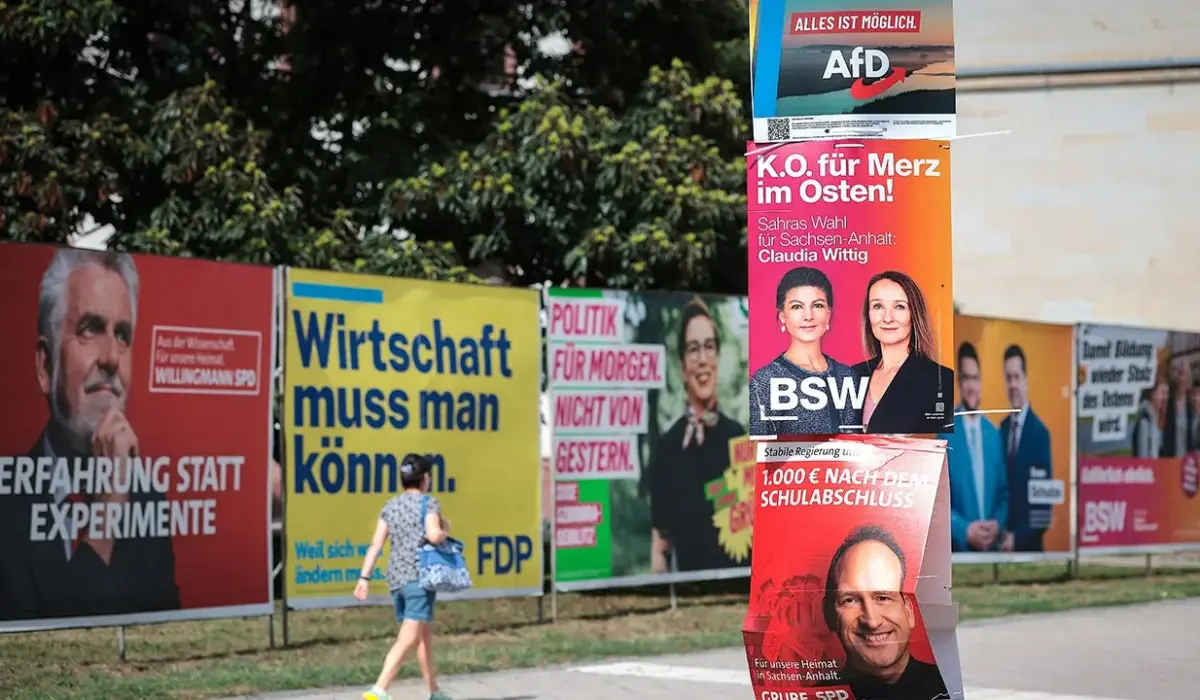
Germany is bracing for a potential political earthquake as the far right Alternative for Germany party looks poised for an unprecedented victory in the upcoming state elections in Saxony Anhalt. Recent polling suggests the AfD could secure an outright majority, a result that would mark the first time since World War II that a party outside the traditional center left and center right establishment has won such power in a German state. Driven by a surge of support among young and working class voters, particularly in the east, the party appears ready to transition from merely challenging the corridors of power to occupying them.
The movement has gained significant momentum under lead candidate Ulrich Siegmund, whose polished public image and massive social media presence have helped bridge the gap between radical policy goals and mainstream appeal. The AfD platform focuses heavily on tightening immigration controls, emphasizing national identity over European integration, and adopting a softer stance toward Russia. National co chair Alice Weidel has further pushed these boundaries by calling for closed borders and the forced deportation of Syrian refugees, arguing that illegal migration has compromised internal security and led to an unacceptable level of Islamization within the country.
For years, Germany’s mainstream political parties have maintained what they call a firewall, a strict refusal to enter into any coalition or cooperation with the AfD due to its nationalist rhetoric. While domestic intelligence offices have previously labeled the organization as right wing extremist, legal challenges have complicated those classifications. Regardless of whether they can implement every policy goal given Germany’s federal structure, analysts suggest that an outright win would shatter this symbolic barrier and signal a profound loss of control for the parties that have governed since 1949.
Critics including Chancellor Friedrich Merz warn that such a shift could isolate Saxony Anhalt internationally and deter foreign investment. There are fears that global companies might hesitate to build factories or expand businesses in a region led by an AfD minister president. Despite these warnings about economic fallout, the party continues to thrive by positioning itself as the primary vehicle for voter anger against the established political order, setting the stage for September 6 when voters will decide if they are ready to tear down the firewall once and for all.