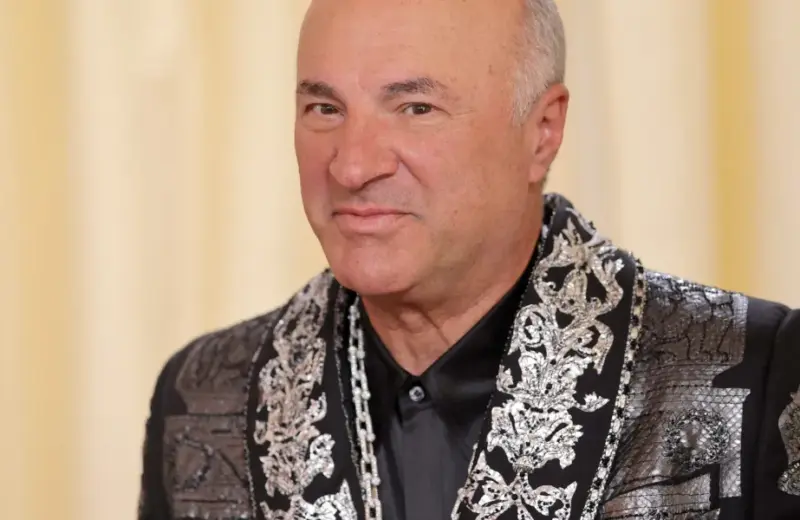
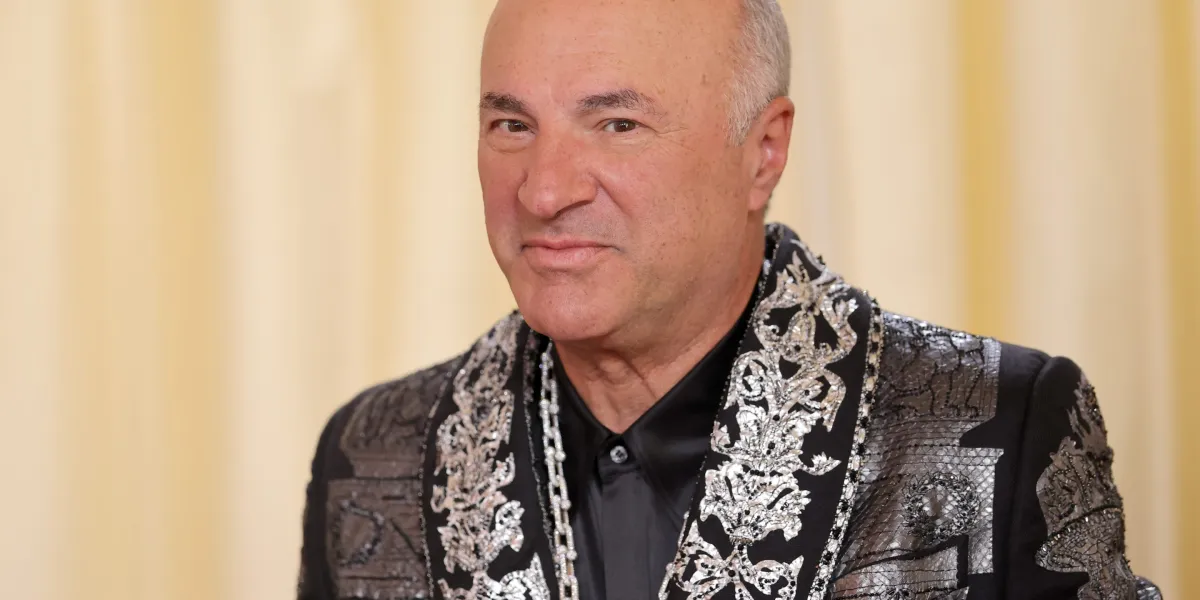
In a world where inflation and a mounting cost-of-living crisis have left many Americans struggling to make ends meet, serial investor and Shark Tank star Kevin O’Leary is offering a surprisingly simple roadmap to wealth. During a recent social media appearance, the multimillionaire urged his followers to adopt a strict discipline regarding their finances: save fifteen percent of every single dollar earned. Whether the money comes from a primary paycheck, a side hustle, or even small gifts, O’Leary insists that the secret to financial freedom lies in resisting the urge to spend and allowing the power of compounding interest to work its magic over time.
According to O’Leary, this strategy is particularly potent for the average American worker earning roughly 68,000 dollars a year. By consistently investing fifteen percent of that salary into the market throughout their career, he claims an individual could comfortably reach millionaire status by the time they hit age 65. Mathematical projections generally back up his claim; if those funds were placed in something like an S&P 500 index fund with historical returns, the resulting portfolio could potentially grow into several million dollars depending on market performance. This approach aligns closely with philosophies championed by legendary investors like Warren Buffett, who frequently suggests low-cost index funds as the safest bet for the average person.
However, while the math holds up on paper, critics argue that following such a rule is increasingly unrealistic for today’s workforce. When factoring in federal taxes, rising rents, grocery bills, and student loan payments, many households earning 68,000 dollars find themselves with very little discretionary income remaining at the end of the month. Data indicates that actual personal saving rates remain far below O’Leary’s recommended threshold, as basic survival often takes precedence over long term investment goals. Many workers in middle income brackets report feeling significantly behind on their retirement preparations simply because their monthly overhead consumes nearly all their take home pay.
Despite these systemic challenges, O’Leary remains steadfast in his belief that lifestyle changes are necessary to secure one’s future. He encourages younger generations to stop purchasing unnecessary items and redirect those funds into investments immediately. Other financial experts agree that prioritizing savings is critical given increasing lifespans and healthcare costs. Some advisors have even suggested that traditional retirement ages may need to shift upward because so few people are currently equipped with enough capital to survive three decades without a steady paycheck. In essence, while reaching seven figures may seem distant for some, O’Leary believes it is entirely possible if individuals treat saving not as an option but as a non negotiable expense.